Security teams today are not short on alerts—they are overwhelmed by them. If your SOC is drowning in notifications, the problem isn’t visibility. It’s prioritization. False positives slow response times, exhaust analysts, and allow real threats to slip through unnoticed. Modern security operations demand smarter signal processing—not more noise. The Real Cost of Alert Fatigue
Most organizations believe they are secure because their assessments say “passed.” But here’s the uncomfortable truth: Safety is a checkbox. Risk is reality. If your security assessments are not forcing hard conversations across IT, Identity, and DevOps teams, then you are not testing risk—you are just documenting assumptions. Why Safety-Based Testing Fails Modern Enterprises Traditional
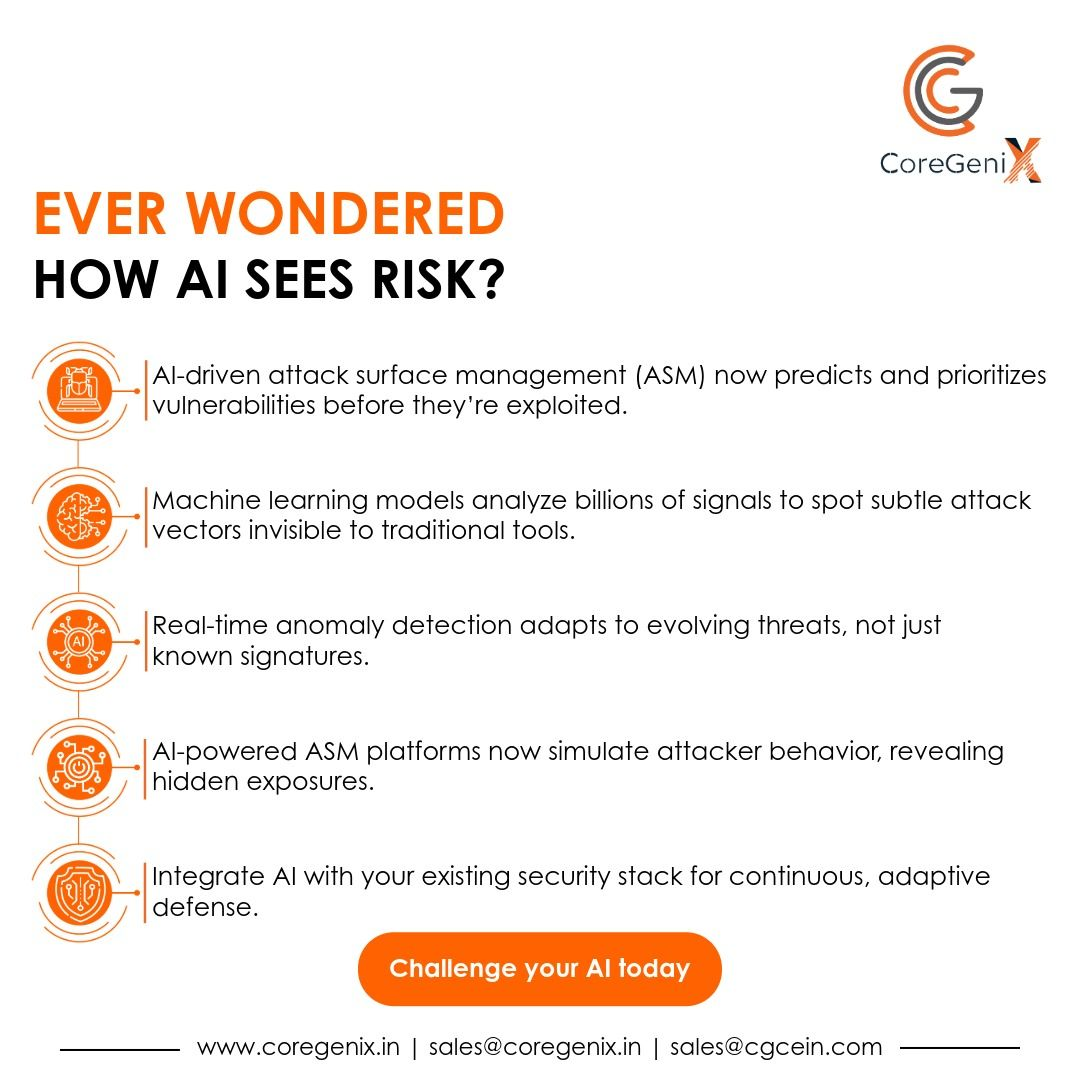
Ever wondered how artificial intelligence actually sees cyber risk? Traditional security tools rely on known signatures, static rules, and historical attack data. AI changes this model completely. Instead of reacting to threats, AI learns how attackers think, predicts where risk will emerge, and prioritizes vulnerabilities before they are exploited. This shift is redefining how organizations

By the time your security team responds, the breach has often already escalated. This is not a failure of people — it is a failure of speed. Modern cyber threats move in seconds. Human-driven response processes move in minutes or hours. That gap is where attackers expand access, escalate privileges, and maximize impact. This is
Attackers don’t scan for tools. They look for what your tools overlook. Modern enterprise networks are packed with security products — firewalls, EDR, SIEM, IDS, cloud security tools. Yet breaches continue to happen, not because organisations lack tools, but because attackers exploit the gaps between them. The Real Problem: Security Blind Spots Most security stacks

Most breaches don’t break systems. They borrow someone’s login. Modern cyberattacks rarely start with malware smashing through firewalls. Instead, they begin quietly — using stolen credentials, over-privileged accounts, or forgotten access paths that were never meant to exist. The Shift: From Network Breaches to Identity Breaches As organisations moved to cloud, SaaS, and hybrid environments,

No suspicious links. No malware attachments. Just a familiar name. That’s all it took. The 2025 Gmail impersonation scam fooled thousands of users by mimicking Google’s sender name — without breaking SPF, DKIM, or DMARC. Security controls worked exactly as designed. Human trust didn’t. What Actually Happened? Attackers registered lookalike domains and carefully crafted sender

Network Operations Centers (NOCs) have always lived on high alert. Dashboards. Alarms. Tickets. Escalations. But as cyber threats become faster, stealthier, and more automated, one question is becoming impossible to ignore: Is constant alertness enough? The Problem with Traditional NOCs Most traditional NOCs are built to react. In a world of AI-driven attacks, cloud sprawl,

No alarms. No explosions. Just one click. That’s how most modern cyber breaches begin — quietly, at the endpoint. An employee clicks a familiar-looking email. A browser session spawns a process that looks harmless. Nothing crashes. Nothing alerts. And yet, compromise has already begun. The Endpoint Is the First Battlefield Firewalls protect the perimeter. Cloud